 NASA · Public domain
The fastest American trip to the space station
Crew-13 made the fastest American trip to the space station.
 Evenly newsroom
Key facts
- Four astronauts went from launch to docking in 7 hours and 55 minutes.
- It is the quickest flight to the station by a US spacecraft.
- The crew arrived on October 1 for a long stay.
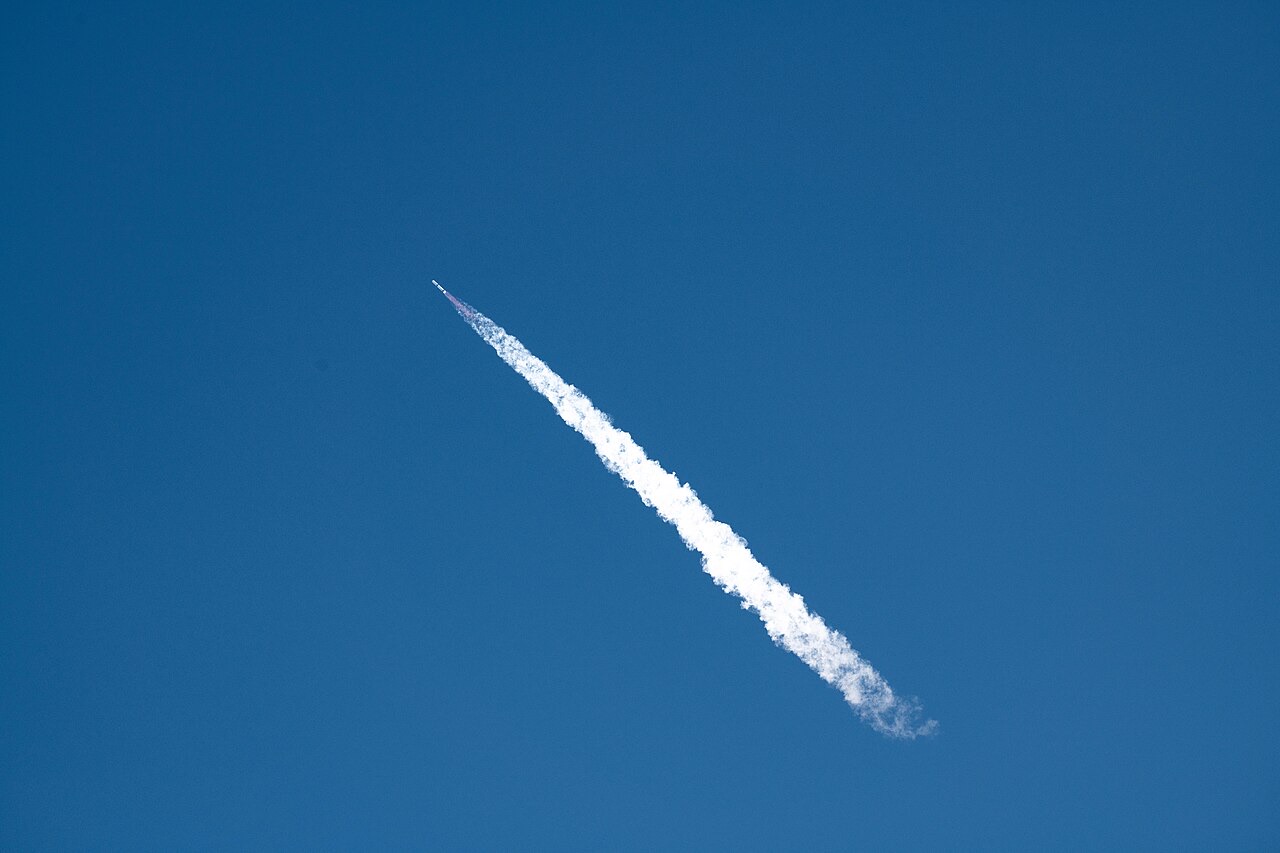
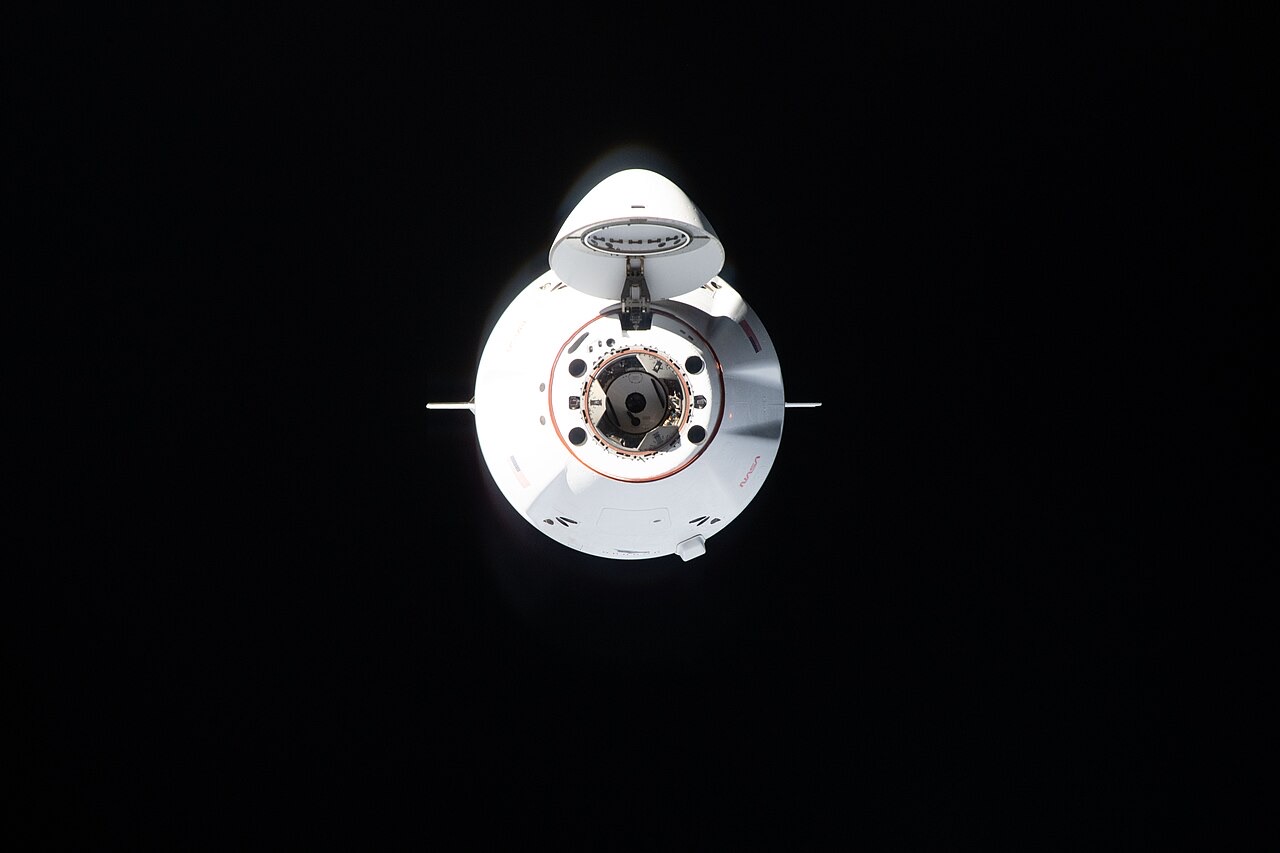
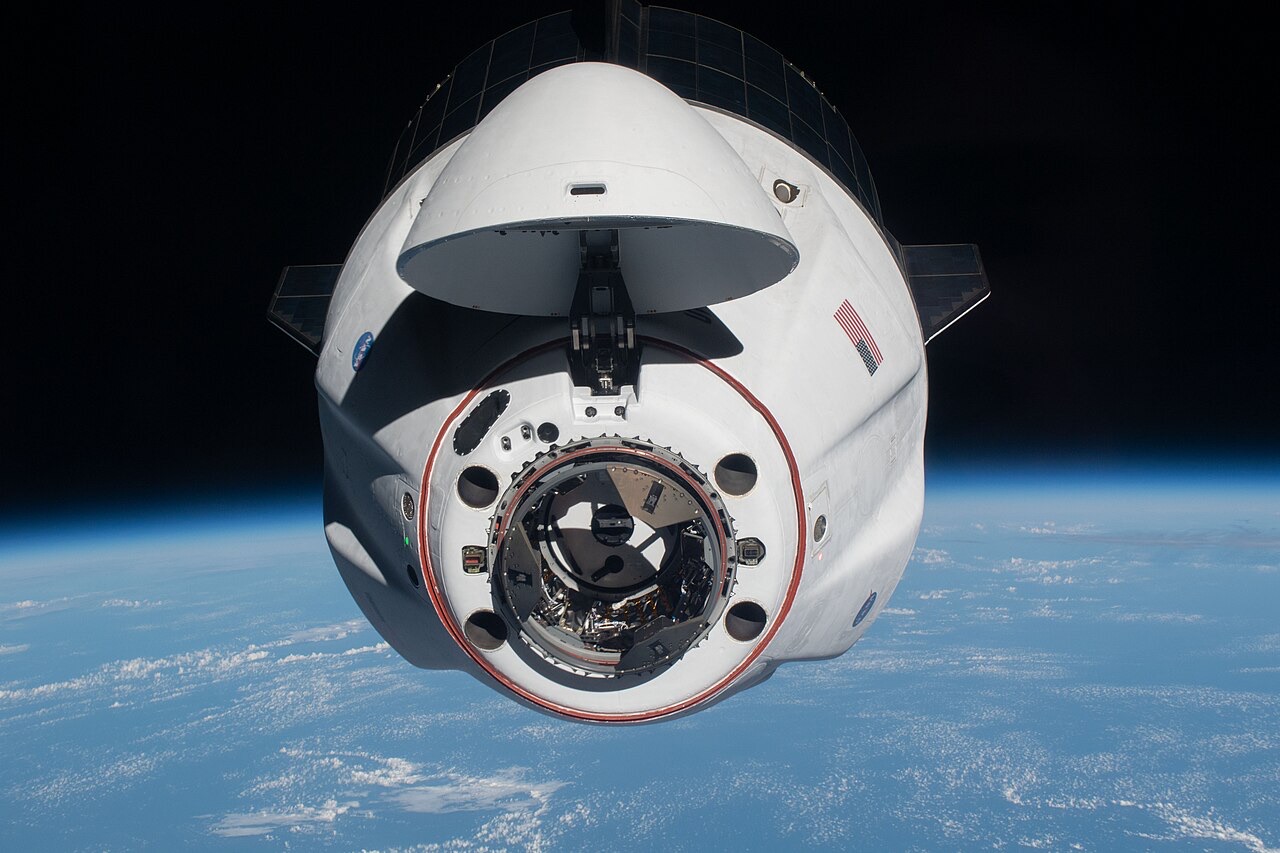
Four astronauts reached the International Space Station on October 1, 2026, in the fastest trip ever made by a US spacecraft to the station. NASA said the SpaceX Dragon capsule of the Crew-13 mission docked to the front port of the Harmony module at 7:05 p.m. EDT, 7 hours and 55 minutes after launch. The Falcon 9 rocket lifted off at about 11:10 a.m. from Space Launch Complex 40 at Cape Canaveral, Florida, according to FOX Weather.
The crew is made up of NASA astronauts Jessica Watkins, the commander, and Luke Delaney, Canadian Space Agency astronaut Joshua Kutryk, and Roscosmos cosmonaut Sergey Teteryatnikov. For Delaney, it is a first flight to space. Watkins flew before, on Crew-4 in 2022.
According to Space.com, the previous record for a US vehicle was 12 hours and 33 minutes, set by an uncrewed Dragon cargo flight, CRS-31, in November 2024. The fastest earlier US trip with people on board took 14 hours and 43 minutes, on Crew-11 in August 2025. Russia's Soyuz spacecraft still holds the overall record: about 3 hours after launch, in 2020. Space.com quoted SpaceX's Julianna Scheiman as saying the short trip was largely a matter of luck, because the station was in a good position at launch time.
Crew-13 joins Expedition 75 and is expected to stay about six months, Spectrum News reported. It replaces Crew-12, which spent about eight months on the station. The crew plans research on how stem cells and plants respond to weightlessness, and tests of new medical equipment for checking astronauts' health.
- Where
- Cape Canaveral, Florida
- When
- Oct 1, 2026