 NASA Johnson Space Center · Public domain
A cargo Dragon brings the space station its last new solar arrays
A cargo Dragon brought the space station its last new solar arrays.
 Evenly newsroom
Key facts
- SpaceX's CRS-35 mission for NASA lifted off from Cape Canaveral.
- It also carries equipment for more than 40 science experiments.
- Astronauts will install the arrays during spacewalks later this fall.
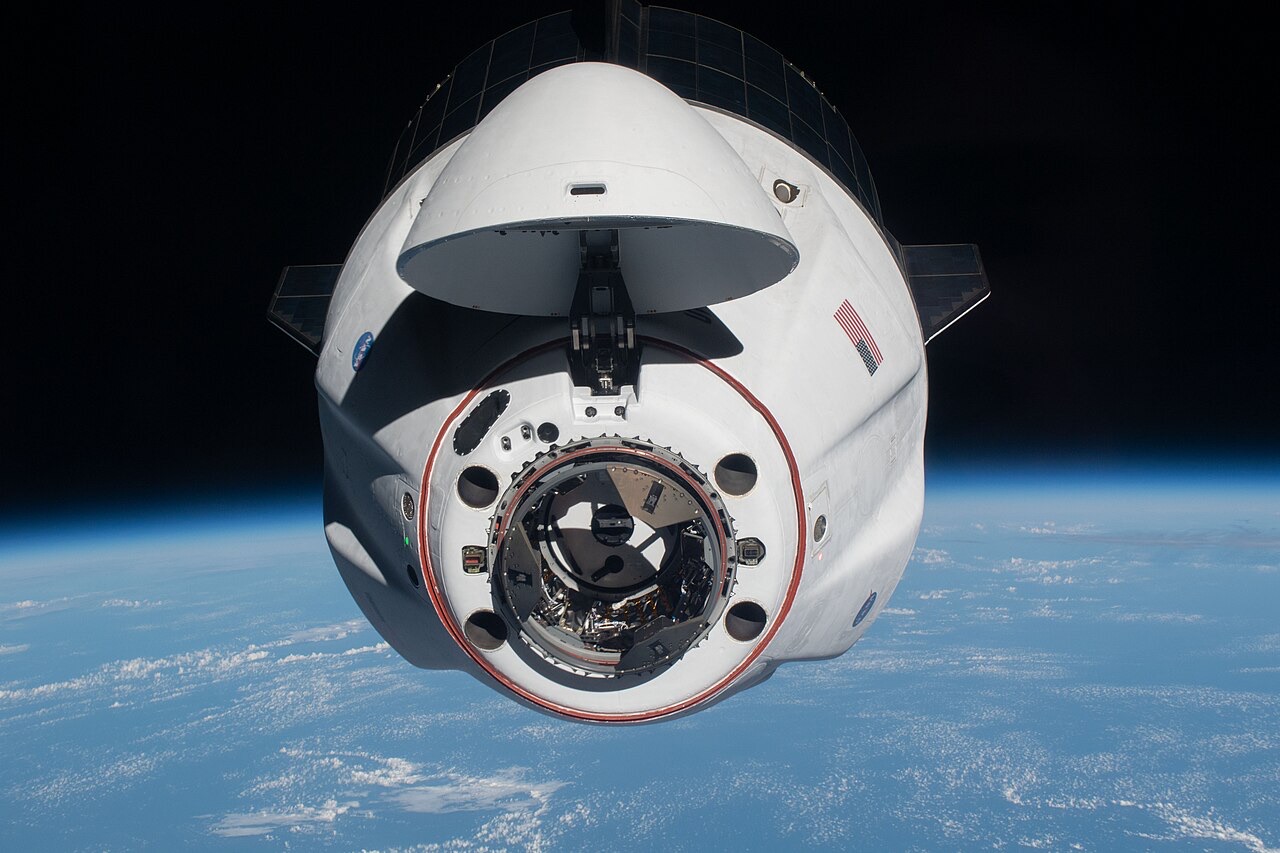
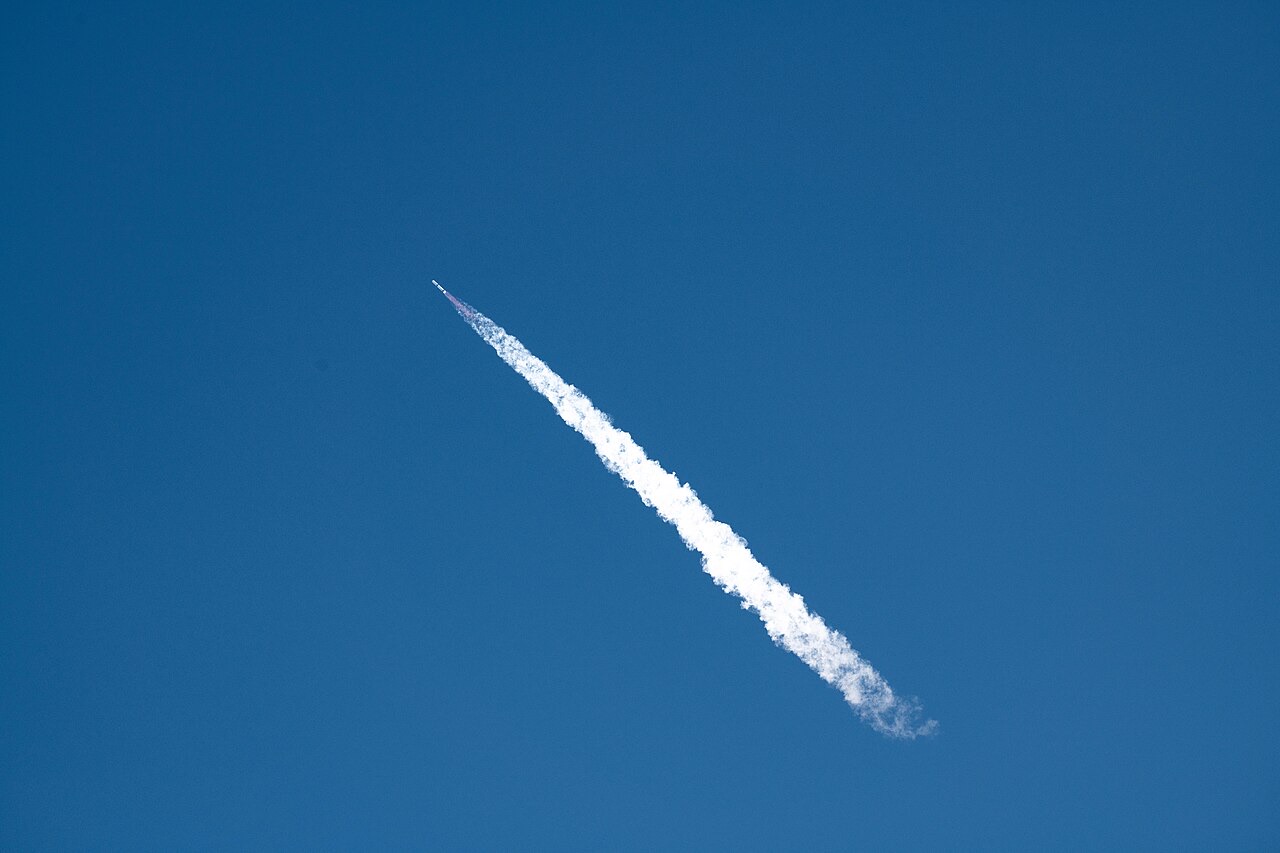
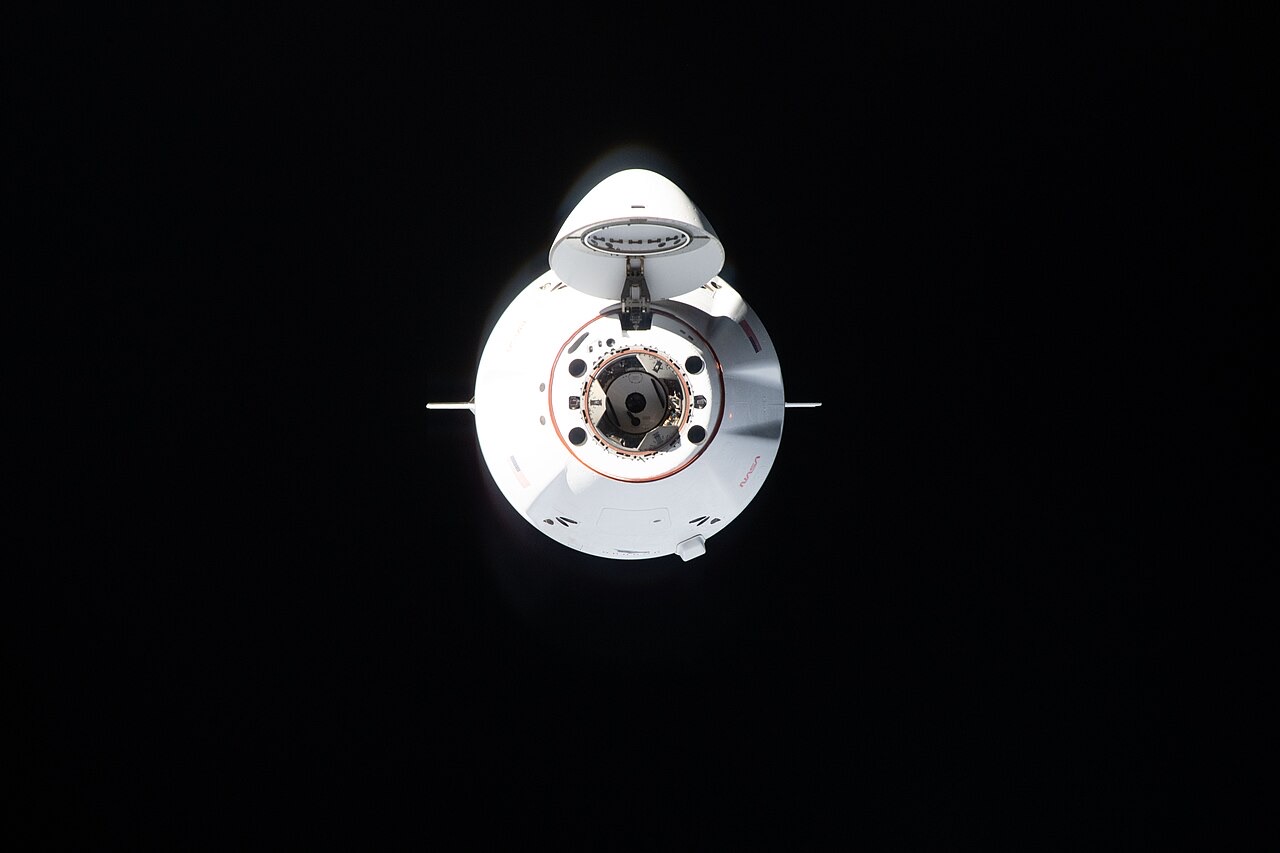
A SpaceX Dragon cargo spacecraft has delivered the last new solar arrays planned for the International Space Station. The CRS-35 mission, SpaceX's 35th supply flight for NASA, lifted off on a Falcon 9 rocket at 6:33 a.m. EDT on Tuesday, October 13, 2026, from Space Launch Complex 40 at Cape Canaveral, Florida. NASA said Dragon docked on its own to the Harmony module at 10:27 a.m. EDT on October 15.
Dragon carried more than 6,300 pounds (about 2,860 kilograms) of food, supplies and equipment. Spaceflight Now reported that the cargo includes equipment for more than 40 scientific studies. NASA listed examples: hardware to make artificial retinas (the light-sensitive layer at the back of the eye) in weightlessness, 3D models of heart tissue for drug tests, brain organoids (tiny lab-grown clusters of brain cells) to study diseases such as Alzheimer's and Parkinson's, and a study of how a new type of glass forms.
The two solar array wings travelled in Dragon's trunk, the open section behind the capsule. They are Roll-Out Solar Arrays, built by Redwire Space, and they unroll like a carpet once in place. Spaceflight Now said each can provide more than 20 kilowatts of power for more than 10 years. They are the fourth and final pair of these arrays; six are already installed on the station. NASA said they will complete an upgrade of the station's power system, giving more electricity for research, daily operations and, later, the station's controlled return into the atmosphere.
Astronauts will install the arrays during spacewalks planned for later this fall. Dragon is set to stay at the station until mid-November. It will then come back with time-critical research and splash down off the coast of California.
- Where
- Cape Canaveral, Florida
- When
- Launched Oct 13, 2026
Sources
Image
NASA Johnson Space Center · Public domain · Wikimedia Commons